100%
A Bold History
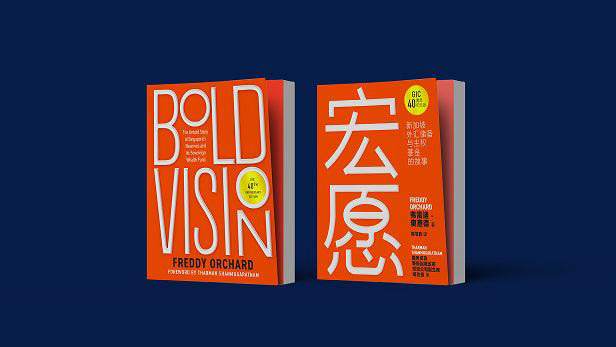
During Singapore’s formative years, her founding leaders had a bold vision: an entity dedicated to managing the nation’s reserves. That vision was realised with the establishment of GIC in 1981. This story doesn’t just recount history. It is an account of history being made.
From secret gold purchases to clever diplomatic manoeuvres – uncover the pivotal moments that led to the creation of GIC, the world’s first non-commodity sovereign wealth fund, with the sole purpose of securing Singapore’s financial future.
Prologue
Conceived by then-Deputy Prime Minister Dr Goh Keng Swee, GIC was a radical, unheard-of proposition at the time. Here’s how it all began.
Chapter 1
Dr Goh Keng Swee was the economic architect of modern Singapore, largely responsible for the first chapter of the nation’s bold reserves management story. But to truly appreciate his foresight and acumen, we have to revisit the early years of Singapore’s nationhood.
Chapter 2
After separation, Singapore was keen on establishing a Common Currency arrangement with Malaysia. However, the status of a piece of land at Robinson Road in Singapore became the focal point for dispute, leading the island nation to stand its ground and inevitably resulting in a currency split.
Chapter 3
Amidst challenging social, political and economic uncertainties, a young nation stood against conventional wisdom and established a currency board system. This decision built confidence in the Singapore dollar in the early days of nation-building.
Chapter 4
Singapore was at the mercy of sterling's fate – it was obliged to hold its reserves in sterling but a devaluation of the pound would mean substantial foreign exchange losses for the small nation. The sterling episode saw a heated exchange of letters between then-British Chancellor of the Exchequer Roy Jenkins and Dr Goh Keng Swee.
Chapter 5
Dr Goh Keng Swee and his team circumvented a US-led embargo to buy gold with an ingenious and clandestine idea of using two halves of a torn dollar bill to verify the identity of the officials involved.
Chapter 6
When MAS was formed in 1971, it set itself apart from other central banks. MAS was an unheard-of mix of a quasi-central bank and a currency board. The institution was not just permitted to, but tasked to invest for returns and profit, which was a pioneering approach to investing reserves for returns at the time.
Chapter 7
As the central bank, MAS needs a "war chest" of reserves that it can activate quickly to defend the Singapore dollar. But such a war chest typically consists of liquid assets that generate low returns. As a result, GIC was established to invest in assets that generate higher returns over the long term.
Chapter 8
GIC's first Managing Director had the demanding task of turning a concept into reality, and to develop the company from scratch. Yet that did not stop him from setting the foundation for GIC to secure Singapore's financial future within a year.
Epilogue
When it began operations, GIC ventured into many unknowns. With boldness and vision, GIC developed operational capabilities, stepped beyond traditional investment markets, and enhanced its investment bandwidth to emerge as a global investor. Through crises and changes in the global financial landscape, GIC continued to fulfill its purpose of securing Singapore’s financial future.
Bold Vision: The Untold Story of Singapore's Reserves and Its Sovereign Wealth Fund
Listen to the full podcast on Spotify
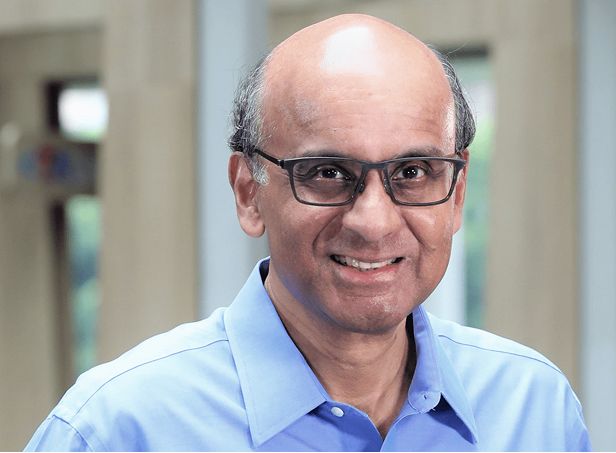
A foreword by Tharman Shanmugaratnam, President of Singapore.
Browse our archive to learn about GIC's bold history from old photographs, white papers, newspaper clippings, press statements, and more.
Discover the origins of this project and learn more about its author Freddy Orchard.
Back to top